Comprehensive Car Insurance : Protection for Your Vehicle in 2026

Comprehensive car insurance offers peace of mind by covering a wide range of risks beyond collisions. However, as vehicle values rise and extreme weather events increase, more drivers are turning to comprehensive coverage for protection.
In short, this guide explores everything you need to know about comprehensive car insurance in 2026—from what it includes to how to get the best deal.
Table of Contents
- What is Comprehensive Car Insurance?
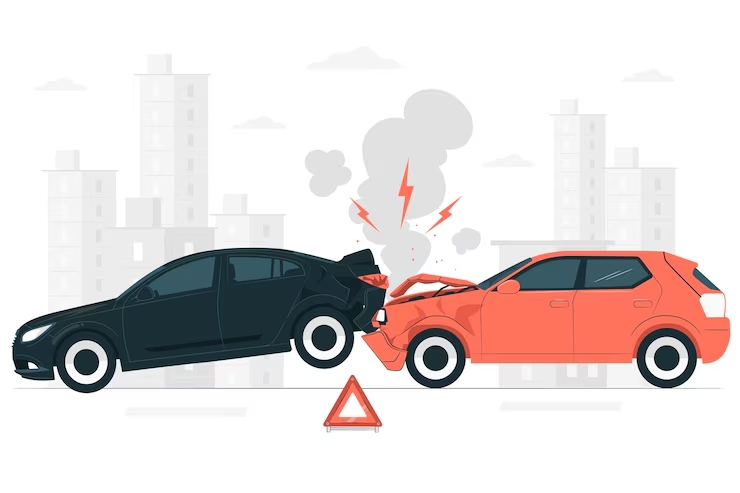
- Comprehensive Car Insurance vs. Collision Insurance
- Average Cost in 2026
- What’s Not Covered?
- How to Choose the Right Policy
- Tips to Lower Your Comprehensive Car Insurance Premium
- Real-Life Scenario
- Conclusion
What is Comprehensive Car Insurance?
Comprehensive car insurance covers damage to your vehicle not caused by a collision. However, it includes protection from:
- Theft
- Vandalism
- Fire
- Natural disasters (For example hail, floods, hurricanes)
- Falling objects (For example, tree branches, debris)
- Animal collisions
However, it’s an optional coverage but often required by lenders for financed or leased vehicles.
Comprehensive Car Insurance vs. Collision Insurance
| Feature | Comprehensive | Collision |
|---|---|---|
| Covers theft & weather | ✅ | ❌ |
| Covers at-fault crash | ❌ | ✅ |
| Required by lenders | Often | Often |
| Cost | Lower | Higher |
Average Cost in 2026
The average annual premium for comprehensive coverage in the U.S. is $150–$300, depending on:
- Vehicle type and value
- Location (urban vs. rural)
- Driving history
- Claims record
- Deductible amount
Top Providers for Comprehensive Coverage (2026)
| Company | Strengths |
| State Farm | Reliable coverage and local support |
| GEICO | Affordable rates and digital claims |
| Progressive | Customizable plans and bundling discounts |
| Allstate | Extensive repair shop network |
| USAA | Great for military families and veterans |
What’s Not Covered?
Even with comprehensive insurance, some exclusions apply:
- Mechanical breakdowns or wear and tear
- Intentional damage
- Damage from illegal activities
- Items inside the car (unless added as personal property)
- Using the vehicle for rideshare (unless declared)
How to Choose the Right Policy
- Compare quotes from at least 3 providers
- Then, Check your deductible and ensure it’s affordable
- Moreover, Review policy limits for glass replacement, theft, etc.
- After that, Ask about add-ons like roadside assistance
- Then, Bundle policies to save on premiums
However, you can can check : Car Insurance Near Me : How to Find the Best Local Deals ?
Tips to Lower Your Comprehensive Car Insurance Premium
- Increase your deductible
- Then, install anti-theft devices
- After that, maintain a clean driving record
- Moreover, take a defensive driving course
- Then, park in a secure location
Real-Life Scenario
For example, imagine your car is parked outside during a windstorm. A large tree branch crashes down and dents your hood and shatters the windshield. Moreover, with comprehensive coverage, the repairs—minus your deductible—are fully covered.
Conclusion
In conclusion, comprehensive car insurance is a smart investment for drivers looking to protect their vehicles from unexpected, non-collision events. Whether it’s a hailstorm, theft, or vandalism, this coverage ensures you’re not left paying out of pocket.
Then, by shopping around and customizing your policy, you can secure optimal protection at a reasonable price.
Moreover, you can explore more about Car Insurance Companies : How to Choose the Right Provider !